A mobile design system, from scratch.
The field app of an ATS, and a 50+ component system born from its real screens.
Recruiting away from the desk.
Cegid wanted its recruiters to handle applications on the go or in store. The app didn’t exist, and I was hired to build it.
The desktop design system existed, but nothing in it was designed for mobile. I had to draw the screens and set up the system at the same time, as the only designer working with the engineering team.
Screens first, system second.
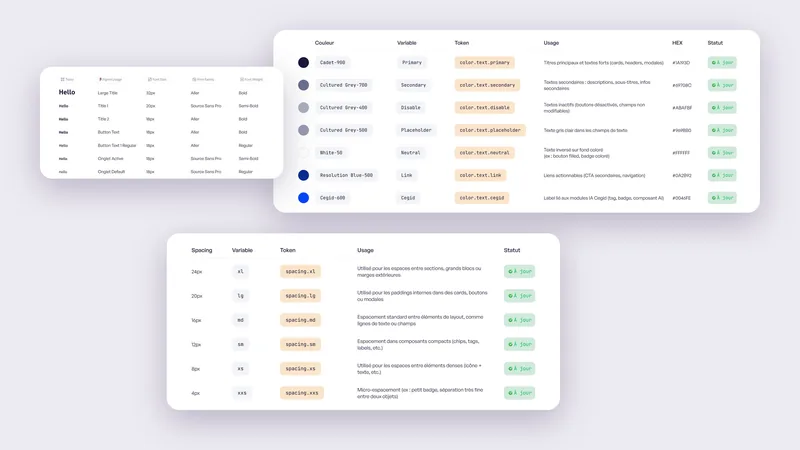
The obvious option was to adapt the desktop system, or to write a full mobile library before the first screen. I did the opposite: draw the first screens, spot the needs that kept coming back, and structure the system from there.
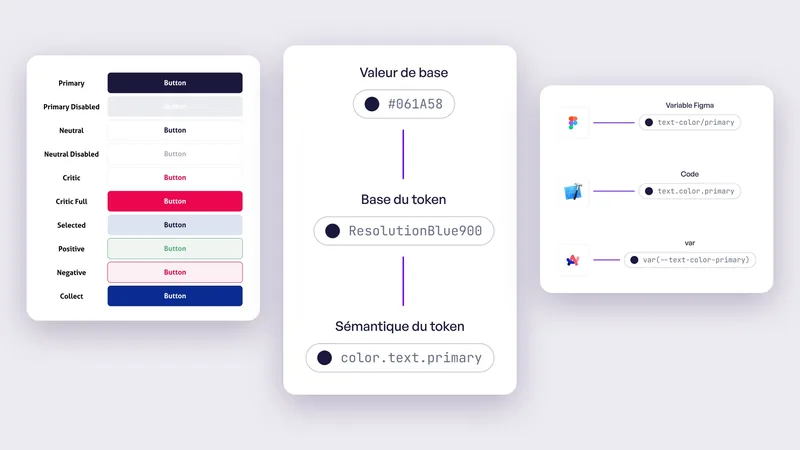
The cost: a long audit of every candidate component, then a cut to keep only those that recurred from screen to screen. The gain: a single naming scheme, from Figma to code.
The AI summary, only on request.
The summary compares the candidate’s profile with the job posting, in an already dense profile screen. In the field, recruiters switched between reading directly and using the summary, so generation stayed optional. The feature was in beta when I left.
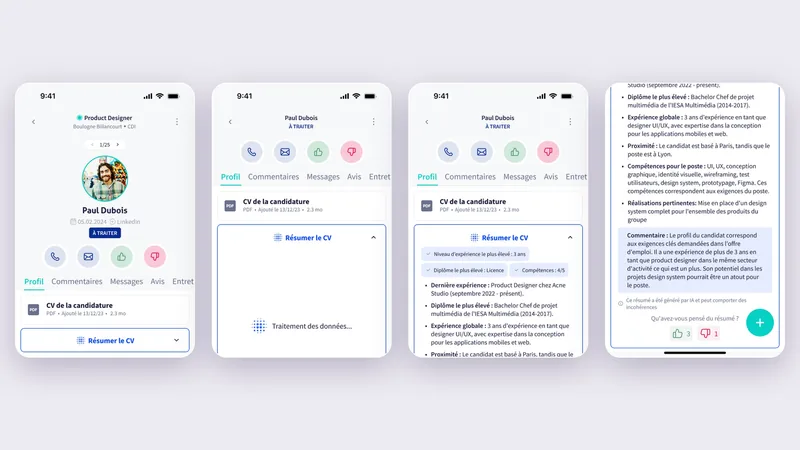
- ClosedThe profile stays readable as is.
- ProcessingA waiting state inside the card, without blocking the screen.
- SummaryKey criteria first, details second.
- FeedbackAn explicit AI label, feedback in one tap.
Before leaving, a user manual.
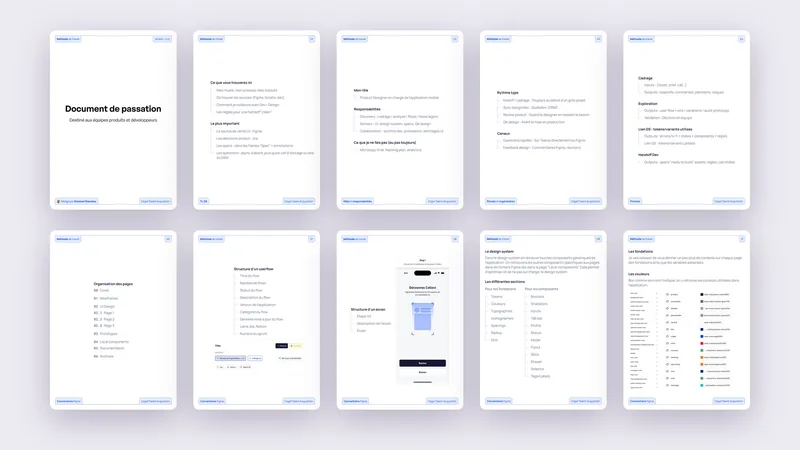
On my own initiative, I wrote a sixteen-page handoff document: my rituals, the Figma conventions, the design system. It’s meant for the product teams and developers, so the system keeps living without me.
“With him, we created a new product team dedicated to mobile and laid the first building blocks of atomic research.”
What I took away.
A design system emerges from the field, from real constraints and feedback. This one was built to be used, not to look good in Figma.
 Next project · 03 / 03A design system built with AIRead the Astra System case study
30 minutes on your product and what’s holding it back.

Etienne Chevalier · 30 min